Consumer Sentiment Stumbles on Iran War Worries
Sentiment started to improve until the U.S. attacked Iran this month.

Sentiment started to improve until the U.S. attacked Iran this month.
Companies across the United States say they expect inflation to remain subdued this year, according to surveys from Federal Reserve banks that show business price expectations falling to their lowest levels since before the 2022 inflation surge.

Americans’ expectations for inflation over the next year fell in January to the lowest level in 12 months, according to a survey released Monday by the Federal Reserve Bank of New York. The median expectation for inflation one year from

Consumer sentiment in the U.S. rose to a five-month high in January as Americans took a sunnier view of the economy and near-term inflation expectations declined for the fifth consecutive month.

Business expectations have fallen all the way down to the Fed’s two percent target.

Consumer inflation expectations held steady in November while perceptions of job security reached their strongest level of the year, according to the Federal Reserve Bank of New York’s monthly Survey of Consumer Expectations released Monday.

Consumers reported better assessments of current business conditions and a modestly improved outlook for the next six months. Both measures rose in August, suggesting households see momentum outside the labor market.

The Index of Consumer Sentiment climbed to 60.7, up from 52.2 in May, a 16.3 percent increase.

U.S. consumer confidence slid sharply in February, posting its steepest decline since August 2021, as Americans grew increasingly concerned about rising prices, weakening job prospects, and the broader economic outlook. The Conference Board’s Consumer Confidence Index fell 7 points to
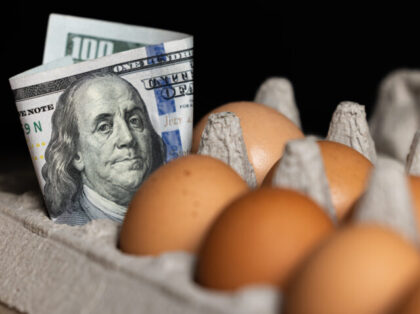
The University of Michigan’s gauge of consumer expectations for inflation over the next 12 months surged higher in early February, indicating that American households think inflation will go much higher over the coming year. Consumers expect prices to rise 4.3
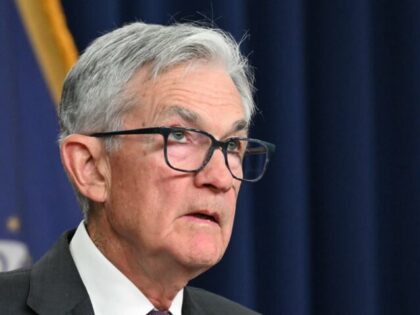
The Fed’s one hundred basis points in cuts at the end of last year has ignited fears of surging inflation.
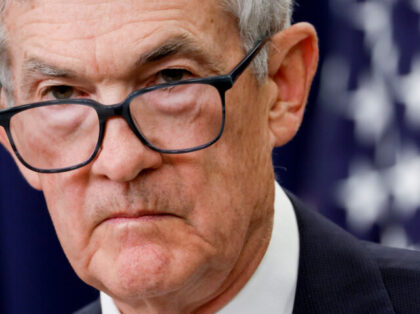
The rise in longer-term inflation expectations are likely to add weight to the argument that the Fed should keep its policy rate at current levels rather than cut later this year.

Rising inflation has led consumers to rethink the idea that inflation was going to come down a lot this year.
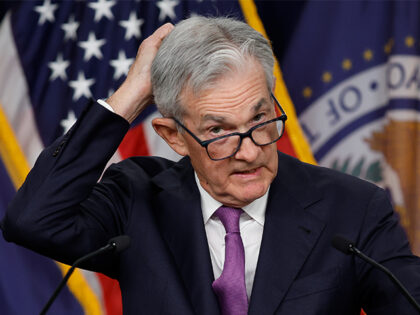
Americans are less worried about inflation and that is giving a boost to consumer sentiment. The University of Michigan’s consumer sentiment index rose to 69.7 in December, nearly 14 percent above the November reading and a few points ahead of

No material change in the overall assessment of economic conditions.

Even with the bigger-than-expected lift and softer inflation expectations, consumer sentiment remains in the doldrums and below where it was a year ago.

The Atlanta Fed’s latest survey of business expectations shows inflation expectations unchanged while reports of current profitability deteriorate.

Expectations for one-year inflation dipped, while three-year inflation expectations were unchanged, and five-year expectations ticked up.

The Christmas spirit is spreading across the land.

Excluding this summer, this is the lowest level for Consumer Sentiment in more than forty years.
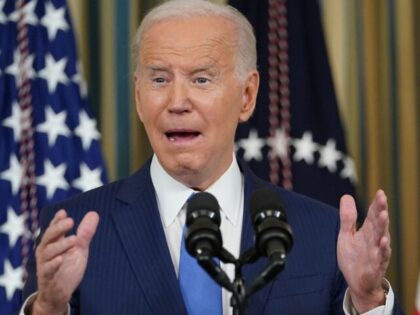
The acceleration of inflation in recent months and the very recent increase in gas prices appear to have pushed up consumer expectations of inflation for the near term and the longer run. U.S. consumers expect prices to rise 5.1 percent

Consumer sentiment improved a lot in August but the progress has now stalled.
Less than three percent of American households expect to be much better off 12 months from now, the N.Y. Fed’s consumer survey showed.
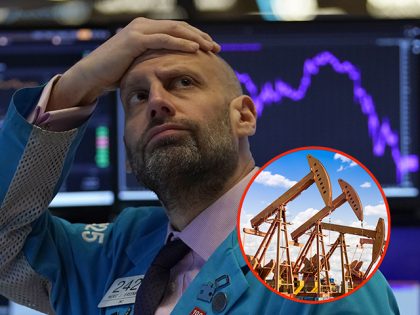
Oil prices plunged on Tuesday ahead of President Joe Biden’s first trip to the Kingdom of Saudi Arabia.
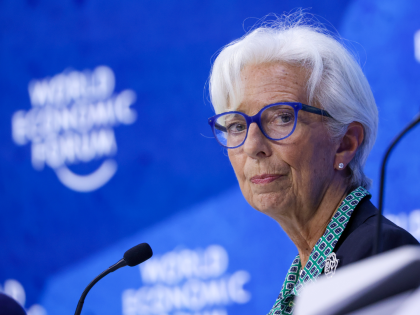
The European Central Bank predicted the region will not fall into stagflation, following previous claims that inflation would be “temporary”.
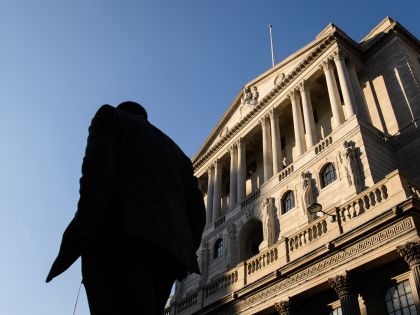
The Bank of England has admitted that its inflation predictions were widely off, as the UK is bracing for 11 per cent inflation.
The latest survey of U.S. consumers from the New York Fed shows inflation expectations have continued to rise and households are taking a dimmer view of their financial prospects.

The steeper than expected decline in consumer sentiment was caused by a drop in assessments of current conditions and an even sharper decline in hope for the future.

Public expectations of household spending rose to a record high in April, data from the Federal Reserve Bank of New York showed Monday. The New York Fed said that households expect their spending to rise by 8 percent over the
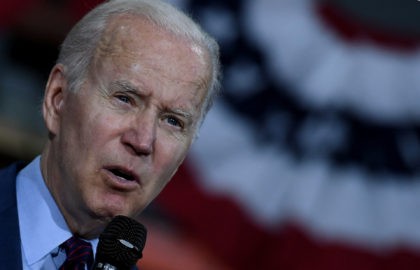
The April employment reports released Friday perfectly encapsulated the economic moment: everyone has a job and no one is happy about it because of inflation.
The notion that the March Consumer Price Index marked peak inflation was dealt a sharp blow by the Federal Reserve’s Beige Book on Wednesday.
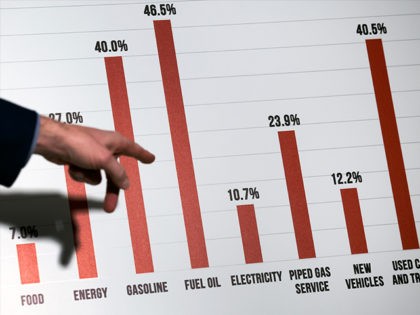
A new survey shows the extent of the American public’s loss of confidence in the Fed and the Biden administration’s inflation fighting skills.
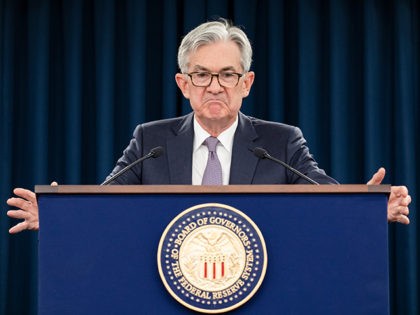
Thirty-two percent of consumers expect their overall financial position to worsen in the year ahead, the highest ever recorded in the history of the surveys started in the mid-1940s.

The Atlanta Fed’s measure of business inflation expectations increased significantly in February.
The forward-looking measure of prices paid by manufacturers jumped to its highest level in decades.
Expectations for inflation hit their highest level since at least 2012.

A record number of businesses say they expect “very significant” increases in costs.
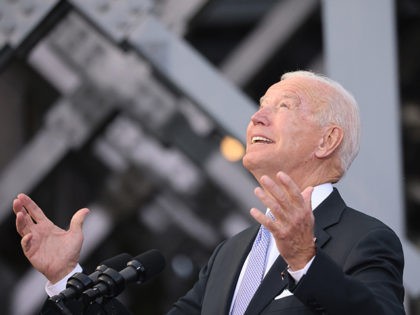
Survey results show no sign of inflationary pressures lifting and average expectations for financial distress is rising.

Inflation expectations of U.S. businesses keep climbing and businesses see it sticking around, suggesting that it may turn out that the view that inflation would be “transitory” is what turns out to be transitory.

The Atlanta Fed’s survey of business expectations show that firm think inflationary pressures are mounting, not subsiding.