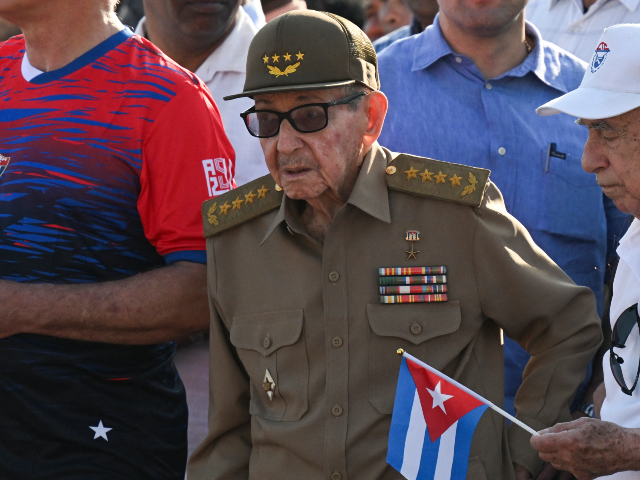

- Chile’s lawmakers approved a move to prosecute Cuban leaders for decades of crimes against humanity.
- The Castro family, especially dictators Fidel and Raúl, have been credibly accused of decades of crimes such as torture, murder, enslavement, religious persecution, and more since 1959.
- Crimes against humanity are typically given “universal jurisdiction,” meaning any court in the world can hold trials for them.
The Chamber of Deputies of Chile, the lower house of the nation’s federal legislature, approved a resolution on Tuesday calling for the creation of an international tribunal to prosecute the leaders of the Cuban government on charges of crimes against humanity.
The resolution calls for “the creation of an international tribunal to judge the crimes against humanity committed by the communist regime of Cuba against the Cuban people and other peoples.” It urges the Chilean the government to “coordinate actions and diplomatic efforts with other democratic states and international organizations” to “promote truth, justice, reparation for the victims, and guarantees of no repetition.”
The individual still living most likely to be identified as directly responsible for many of the crimes in question is the dictator of Cuba, 95-year-old Raúl Castro, who served as his elder brother Fidel’s dirty deeds henchman and executioner for decades before taking power ten years ago this week. Castro was indicted by prosecutors and made the target of an arrest warrant in Florida in May for one of the many crimes expected to be discussed in the Chilean justice process: the 1996 murders of four Americans seeking to find refugees lost at sea with the humanitarian aid group Brothers to the Rescue.
The proposal now goes to the desk of conservative President José Antonio Kast, who has publicly expressed support for the measure in the past. Such a tribunal would not be unprecedented — advocates of the process recall the use of the Nuremberg trials to bring justice following World War II and the prosecution of war criminals in the former Yugoslavia. Chile has its own experience with attempts to use international avenues to bring dictators to justice; former Chilean leader August Pinochet was arrested by the United Kingdom in 1998, but did not live to complete any similar legal process.
The Communist Party of Cuba has been in charge of the country since late dictator Fidel Castro staged a coup in 1959. Decades of extensive evidence documented by victims, human rights experts, and the regime itself signal that Castro and his brother and successor, Raúl, as well as their inner circle of henchmen have been responsible for a host of atrocities that fit the definition of crimes against humanity. Among these are the killing of thousands using firing squads, the torture of political opponents, the enslavement of Christians and suspected gay people in labor camps, and the indiscriminate killing of refugees, including infants, fleeing the country in incidents such as the 1994 Tugboat Massacre.
These acts fall under the international legal definition of “crimes against humanity,” which lists “murder, extermination, enslavement, deportation or forcible transfer… imprisonment, torture, rape, sexual slavery… persecution against any identifiable group… enforced disappearance of persons” as eligible acts. These must be “committed as part of a widespread or systematic attack directed against any civilian population, with knowledge of the attack.”
Crimes against humanity is a category that falls under jus cogens, or peremptory norms, which grants all courts in the world “universal jurisdiction” to process them; this is what allows Chile to pursue a leadership role in the process.
The movement to establish an international tribunal to bring justice to the victims of the Castro family regime began in earnest in 2017, when the organization Justice Cuba convened human rights experts and engaged in heavy groundwork to interview victims and collect evidence of the alleged crimes. Justice Cuba presented its evidence before the Organization of American States (OAS) in 2018, urging member countries to help establish an international legal process on the matter. Chilean lawmakers began the process to bring the tribunal to their country in 2019.
The president of Justice Cuba, René Bolio, offered his group’s full cooperation with the Chilean government to help bring the tribunal to fruition in a press release shared with Breitbart News on Tuesday.
“We have identified the crimes and those responsible,” Bolio explained. “We have the testimonies, the files, and the names. What we have lacked is an international tribunal to judge [the evidence].”
In an official statement, Justice Cuba listed the crimes expected to be raised as including “executions, torture, political imprisonment, religious persecution, internal deportations, and persecution of those who have attempted to abandon the island.”
The Assembly of the Cuban Resistance, an international coalition of pro-democracy groups inside and outside of Cuba, issued a statement calling the development of the tribunal “an important message to the Castro regime, and especially to its repressive forces, that its criminal actions against the people have consequences.”
COMMENTS
Please let us know if you're having issues with commenting.