Breitbart Business Digest Weekly Wrap: Wear Better Shoes and Don’t Die in New York
This is the Breitbart Business Digest weekly wrap, which has decided that we’re never going to die in Zohran Mamdani’s New York because it is too unaffordable.

This is the Breitbart Business Digest weekly wrap, which has decided that we’re never going to die in Zohran Mamdani’s New York because it is too unaffordable.
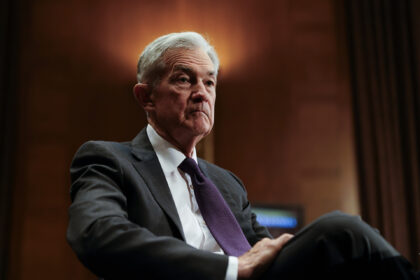
A federal judge has quashed two Justice Department subpoenas targeting the Federal Reserve, the Wall Street Journal reported Friday, delivering a significant legal victory to the central bank and a serious setback to the criminal probe that U.S. Attorney Jeanine Pirro had opened into Fed Chair Jerome Powell.
U.S. job openings rose in January while layoffs declined and workers continued to quit jobs at a steady pace, pointing to firm labor demand even as hiring remained restrained.

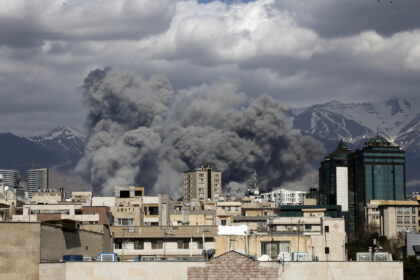
Sentiment started to improve until the U.S. attacked Iran this month.
New orders for long-lasting U.S. manufactured goods were unchanged in January, a sign that factory demand remained sluggish at the start of the first quarter.

U.S. economic growth in the fourth quarter was much weaker than first reported, with revised data Friday showing gross domestic product rose at a 0.7 percent annual rate instead of the previously estimated 1.4 percent.

Americans’ disposable income surged in January as the Trump tax cuts began flowing through paychecks, boosting the personal saving rate while consumers held back on spending, according to data released Friday by the Bureau of Economic Analysis.
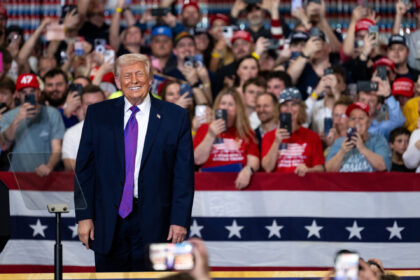
The establishment case against tariffs got a polished restatement this week. It is worth examining carefully because it gets the problem wrong, gets the causation wrong, and offers wishes in place of solutions.

The Commerce Department said Thursday that the goods and services deficit fell to $54.5 billion in January, down from $128.4 billion in the same month a year ago. That marked a decline of $73.9 billion, or 57.6 percent.
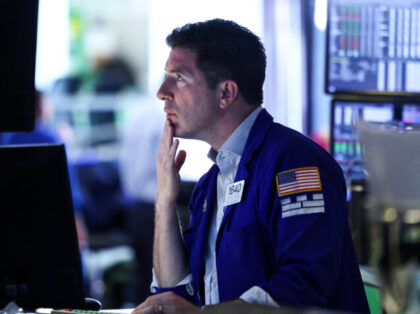
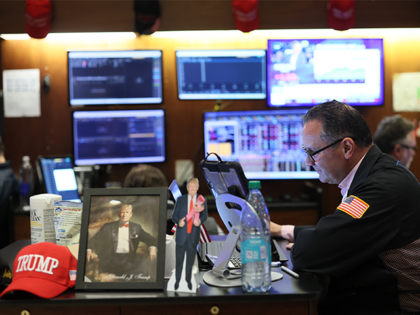
The Dow Jones Industrial Average dropped more than 500 points in midday trading.

On the 250th anniversary of “The Wealth of Nations,” it is worth noting that Adam Smith defended the policy mix now advanced by President Trump.

The 32 member countries of the International Energy Agency unanimously agreed Wednesday to release 400 million barrels of oil from their emergency reserves, the largest coordinated stock release in the agency’s 52-year history.

The International Energy Agency has proposed the largest release of oil reserves in its history to bring down crude prices that have soared during the U.S.-Israel war with Iran, the Wall Street Journal reported Tuesday.

Consumer prices continued to rise at a moderate rate in February.
Adam Smith, often considered the patron saint of free markets, argued that a 50% tariff would improve domestic production and make British goods more competitive on international markets.

Two hundred and fifty years after the publication of The Wealth of Nations, the public figure who most embodies Adam Smith’s ideals is Donald Trump.

Existing home sales unexpectedly rose in February as affordability hit its best level in nearly four years and first-time buyers surged into the market.

Stocks rose and oil prices fell on Monday after President Trump indicated that the war with Iran was nearing its end.

It took Wall Street a while to come around, but the stock market has finally embraced the president’s worldview.
Morgan Stanley’s surprise decision to cut 2,500 jobs — 3 percent of its global workforce — was driven primarily by artificial intelligence, according to reporting by the New York Post’s Charles Gasparino.

The overnight panic in oil and stocks was replaced by calmer markets on Monday morning.

Oil prices surged past $110 a barrel on Sunday evening, topping $100 for the first time in nearly four years, as the war in the Middle East entered its ninth day with no end in sight and the Strait of

This is the Breitbart Business Digest weekly wrap of business and economic news, where we strive to increase output despite no increases in our newsletter’s payroll.

Harsh winter weather put a chill on retail spending in January, as shoppers bought fewer cars and cut back on some store and restaurant purchases even as online sales and a key measure of core retail demand held up. Retail

Oil prices continued to climb rapidly on Friday following remarks by President Trump that there would be no deal to end the war with Iran short of an “unconditional surrender.”

Much worse than expected.

Randolph Bourne said war is the health of the state. Fine. Then let’s say the other part out loud: war is a disease in the economy.
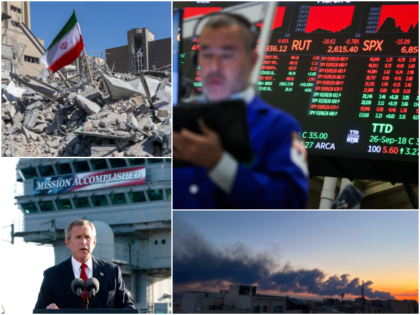
Renewed worries about the Iran war dragged down stocks in the U.S. and Europe Thursday.

America’s productivity is rising at a rate not seen in decades.
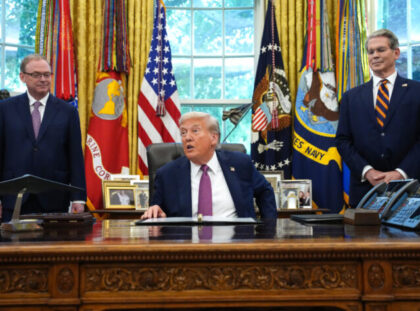
Efficiency gains confound critics who predicted tariff-driven slowdown
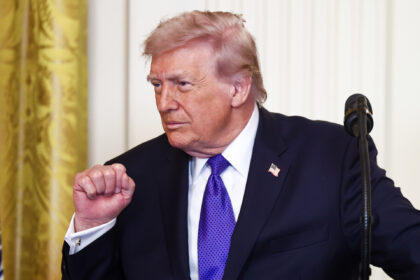
The war may continue. But the market panic, at least for now, seems to be looking for an exit strategy.

Treasury Secretary Scott Bessent said Wednesday the Trump administration plans to raise its across-the-board tariff rate to 15 percent this week, providing a timeline for an increase President Trump had announced but not yet implemented.

The American services sector roared ahead in February at its fastest pace in more than three years, blowing past every Wall Street forecast while inflationary pressures eased to their lowest level in nearly a year. The Institute for Supply Management’s

U.S. businesses went on a hiring spree in February, the latest data from payroll processor ADP shows.

The market is doing the only honest thing it can do in the fog of war: trying to price the duration of the conflict.

President Donald Trump on Tuesday said the United States Navy will escort oil tankers through the Strait of Hormuz if necessary and directed the U.S. International Development Finance Corporation to provide war-risk insurance for maritime shipping in the Persian Gulf

Americans are increasingly turning away from booze and beer.

The Iran war hit markets hard Tuesday morning.
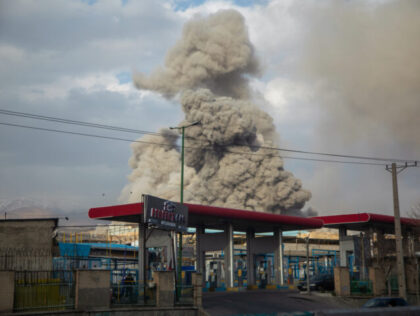
Financial markets on Monday indicated that any damage to the U.S. economy from the military conflict between the U.S. and Iran is likely to be minimal.

Global oil prices and natural gas prices moved up sharply on Monday morning, while the stock market appeared to take the attack on Iran by the U.S. and Israel in stride.